

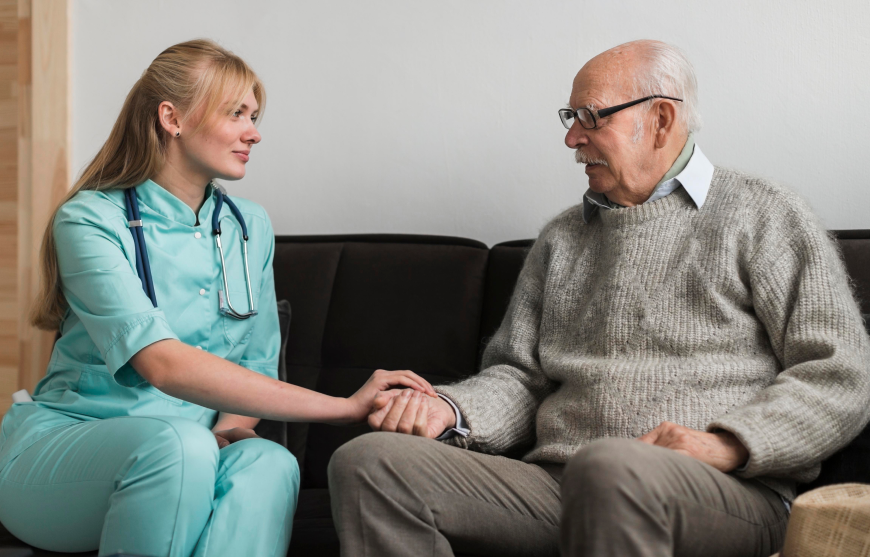
Stroke is one of the leading causes of disability and mortality worldwide. Understanding what stroke is and how it affects the body is essential for effective management and recovery. A stroke occurs when the blood supply to a part of the brain is interrupted or reduced, preventing brain tissue from receiving oxygen and nutrients. There are three main types of stroke: ischemic, caused by a blood clot; hemorrhagic, caused by bleeding in the brain; and transient ischemic attack, often referred to as a mini-stroke, which is temporary but signals serious risk. Risk factors for stroke include high blood pressure, diabetes, heart disease, smoking, excessive alcohol consumption, and a sedentary lifestyle. Early recognition of stroke symptoms is critical, as immediate treatment can significantly reduce long-term damage. Common warning signs include sudden numbness or weakness in the face, arm, or leg, confusion, trouble speaking, difficulty seeing, loss of balance, and severe headaches.
Immediate response is crucial when a stroke is suspected. The phrase “time is brain” highlights the importance of rapid intervention to minimize brain damage. If someone shows signs of stroke, it is essential to call emergency services immediately rather than trying to drive the person to the hospital. Hospitals are equipped to perform diagnostic procedures such as CT scans, MRIs, and blood tests that determine the type and severity of the stroke. Emergency medical teams can administer clot-busting medications for ischemic strokes or perform surgical procedures to control bleeding in hemorrhagic strokes. Monitoring in a hospital setting ensures that complications such as brain swelling, seizures, and elevated blood pressure are managed promptly. Fast intervention not only saves lives but also improves the chances of regaining independence after a stroke.
Medical management and treatment strategies for stroke vary depending on the type and severity. For ischemic strokes, thrombolytic therapy may be administered to dissolve blood clots blocking circulation. Hemorrhagic strokes may require surgical interventions to repair blood vessels or relieve pressure on the brain. Patients often undergo post-acute care planning, which involves monitoring their recovery, preventing recurrent strokes, and managing other health conditions. Complications are addressed through medication and careful observation to reduce further neurological damage. Doctors often coordinate with rehabilitation specialists early to create a personalized recovery plan. Continuous medical follow-ups are vital to ensure the patient is progressing and to adjust medications or therapies as needed.
Rehabilitation is a critical component of stroke care, focusing on helping survivors regain function and independence. Physical therapy targets mobility, balance, and strength, helping patients walk, maintain stability, and perform exercises that rebuild muscle control. Occupational therapy teaches daily living skills such as dressing, cooking, and managing personal care. Speech and language therapy addresses communication challenges, helping individuals regain clarity in speaking and understanding. Cognitive rehabilitation focuses on memory, attention, and problem-solving abilities that can be affected by a stroke. Rehabilitation programs are most effective when they begin early and are consistent, incorporating a combination of therapies tailored to each patient’s needs. Family involvement in therapy sessions can enhance motivation and provide emotional support. Setting realistic goals and celebrating incremental progress fosters a positive recovery environment.
Lifestyle adjustments play a significant role in preventing additional strokes and supporting long-term recovery. A heart-healthy diet, rich in fruits, vegetables, whole grains, and lean proteins, helps manage risk factors such as high blood pressure and cholesterol. Regular exercise, even light physical activity like walking or stretching, improves cardiovascular health and reduces stroke risk. Chronic conditions such as hypertension, diabetes, and high cholesterol must be carefully managed through medications and regular check-ups. Stress reduction techniques like meditation, deep breathing exercises, and mindfulness can improve overall well-being. Avoiding smoking and limiting alcohol consumption are essential lifestyle modifications for both prevention and recovery. Maintaining a structured daily routine promotes stability, reduces anxiety, and encourages consistent engagement in therapy and self-care. Long-term adherence to these habits significantly enhances quality of life after a stroke.
Support systems are vital for stroke survivors to navigate recovery successfully. Family and friends provide essential emotional encouragement and help with daily tasks that may be challenging after a stroke. Professional caregivers or home health aides can assist with mobility, medication management, and personal care when additional support is needed. Community resources such as stroke associations, support groups, and counseling services offer educational materials and emotional support for both survivors and caregivers. Adapting living spaces to improve accessibility, such as installing grab bars, ramps, and non-slip flooring, ensures safety at home. Telehealth services provide remote monitoring and virtual therapy sessions, offering flexibility and continuity of care. Peer support from others who have experienced strokes can boost motivation and provide practical tips for daily living. Strong social connections are linked to better mental health and more successful rehabilitation outcomes.
Emerging trends in stroke care are revolutionizing recovery and prevention strategies. Telemedicine allows patients to receive consultations, therapy, and follow-up care without traveling to medical facilities. Robotic-assisted therapy and AI-driven monitoring systems enhance precision in rehabilitation exercises and track progress effectively. Research in neuroplasticity explores ways to retrain the brain to regain lost functions after a stroke. Predictive health tools identify individuals at higher risk and allow early intervention to prevent strokes from occurring. Personalized rehabilitation programs, combining technology and professional guidance, improve functional outcomes and independence. Virtual reality and interactive exercises engage patients in dynamic therapy sessions, increasing motivation and adherence. Continuous innovation in stroke care is expanding opportunities for faster, safer, and more effective recovery.
Bullet list: Important steps for effective stroke care and recovery
- Recognize early warning signs and act immediately
- Seek emergency medical attention without delay
- Follow prescribed medications and therapy regimens
- Engage in regular physical, occupational, and speech therapy
- Adopt a heart-healthy diet and exercise routine
- Manage chronic conditions and monitor vital health indicators
- Utilize support systems, both professional and personal
- Explore technological tools for enhanced rehabilitation
Frequently Asked Questions
What is the most critical time window for stroke treatment?
The first few hours after the onset of stroke symptoms are crucial. Immediate medical attention can significantly reduce brain damage and improve recovery outcomes.
Can stroke patients fully recover mobility and speech?
Recovery varies by individual and depends on stroke severity, location, and rehabilitation consistency. Many patients regain substantial function with proper therapy and support.
How can caregivers best support a stroke survivor at home?
Caregivers should provide emotional encouragement, assist with daily activities, ensure adherence to therapy routines, and maintain a safe living environment.
Are there specific diets proven to lower stroke risk?
A diet rich in fruits, vegetables, whole grains, lean proteins, and low in processed foods and sodium helps reduce stroke risk. Managing weight and blood pressure is also crucial.
What are common emotional challenges after a stroke and how to manage them?
Depression, anxiety, and frustration are common. Support groups, counseling, social engagement, and therapy involvement can help manage these emotional challenges.
How often should stroke survivors follow up with their healthcare providers?
Regular follow-ups, usually every few months or as recommended by the physician, ensure proper monitoring, medication adjustment, and progress assessment.
Takeaway
Stroke care is a multifaceted approach involving rapid response, medical management, rehabilitation, lifestyle changes, and support systems. Early intervention and consistent therapy improve recovery potential, while preventive measures reduce the risk of future strokes. Combining medical expertise with emotional and social support creates a comprehensive framework for survivors to regain independence and lead fulfilling lives. Ongoing advancements in technology and rehabilitation methods continue to enhance stroke care, offering hope for better outcomes and improved quality of life.