

What Is a High Ticket Remote Closer?
A high ticket remote closer is a sales professional who specializes in selling premium-priced products or services entirely through remote communication channels. These offers usually range from a few thousand dollars to well over six figures, depending on the industry and value delivered. The role focuses on converting warm leads into paying clients through structured conversations rather than cold outreach. Unlike traditional sales roles, this position often works with pre-qualified prospects who have already shown interest in a service. The job is heavily centered around communication, trust-building, and guiding decision-making. It requires understanding human behavior at a deeper level because the stakes are significantly higher in high-value transactions. Businesses rely on these professionals because they help convert leads that have already been nurtured by marketing systems.
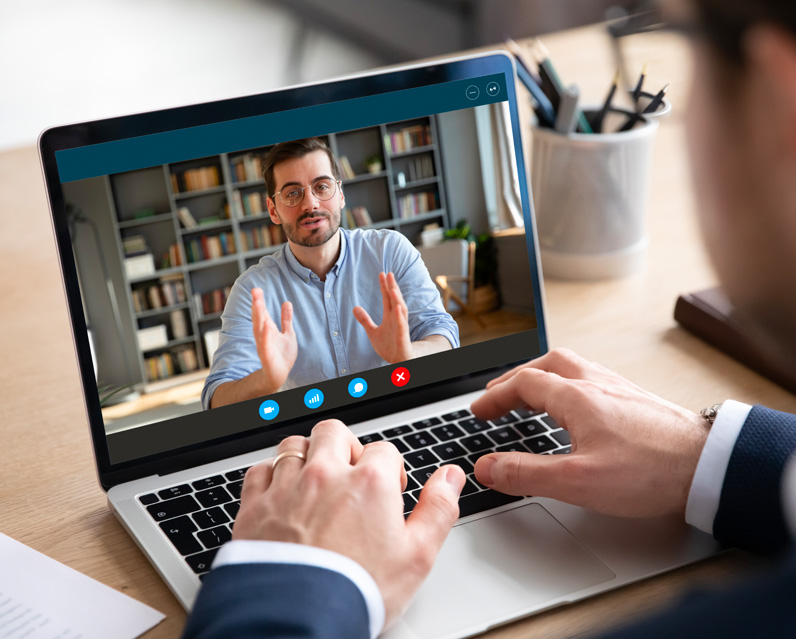
A high ticket remote closer typically operates within digital ecosystems where sales calls happen over video conferencing platforms. These closers are often brought in by coaches, consultants, agencies, and SaaS companies that sell premium offers. The role is performance-driven, meaning income is tied directly to results rather than fixed salaries in many cases. This makes it both highly rewarding and highly demanding. The ability to stay composed during high-pressure conversations is essential for success. Many people are drawn to this career path due to its flexibility and earning potential. However, it also requires discipline and continuous improvement to maintain consistent performance.
How High Ticket Remote Closing Works in Modern Online Business
The process behind high ticket remote closing is deeply connected to digital marketing systems that generate qualified leads. Businesses use ads, webinars, content funnels, and email sequences to attract potential buyers. Once a lead shows interest, they are usually booked into a sales call with a closer. This is where the high ticket remote closer steps in to guide the conversation toward a purchasing decision. The goal is not to push but to understand the prospect’s needs and align them with the offer. Every call is structured around discovery, value alignment, and decision support.
Sales calls are typically conducted through video platforms like Zoom or Google Meet, allowing real-time interaction. These conversations often follow a structured flow, starting with rapport building and transitioning into deeper questions. The closer identifies pain points and evaluates whether the offer is a strong fit. Trust plays a major role because high ticket decisions require confidence from the buyer. Without trust, even the most valuable offer will fail to convert. This makes communication clarity and emotional awareness essential skills in this role.
Skills Required to Become a High Ticket Remote Closer
Success as a high ticket remote closer depends heavily on both soft skills and technical sales knowledge. Communication is at the core of everything, especially the ability to listen actively and respond thoughtfully. Emotional intelligence allows closers to read tone, hesitation, and underlying concerns during conversations. Objection handling is another critical skill since most prospects will have doubts before making a decision. Confidence must be balanced with empathy to avoid sounding pushy or overly aggressive. Time management also matters because closers often handle multiple calls across different time zones.
Another important aspect is understanding buyer psychology and decision-making patterns. This helps in guiding conversations without forcing outcomes. Self-discipline is especially important in remote environments where structure is self-managed. Many closers also develop a strong understanding of marketing funnels to better interpret where leads are coming from.
Key skills include:
-
Active listening and conversational control
-
Emotional intelligence and empathy
-
Objection handling techniques
-
Confidence in high-pressure situations
-
Deep understanding of buyer psychology
-
Time management and scheduling discipline
-
Remote communication proficiency
Each of these skills contributes to building trust and improving conversion rates in high-value sales environments.
High Ticket Remote Closer Income Potential and Compensation Structures
The earning potential for a high ticket remote closer is one of the main reasons people pursue this career path. Income is typically commission-based, meaning closers earn a percentage of each sale they complete. In many industries, commissions range from 10% to 20% per deal. Since deals can be worth thousands or even tens of thousands of dollars, commissions can quickly add up. This creates a high-earning opportunity for skilled professionals. However, income is not always consistent, especially for beginners still building experience.
Some companies offer base pay plus commission, while others operate purely on performance-based earnings. Freelance closers often have more flexibility but less stability. Experienced closers who consistently perform well can earn significant monthly incomes. Bonuses and performance incentives are also common in high-performing teams. The more complex and expensive the offer, the higher the potential payout per sale. This structure rewards skill, consistency, and continuous improvement.
Step-by-Step Pathway to Becoming a High Ticket Remote Closer
Becoming a high ticket remote closer involves a structured learning and development process. Most professionals start by learning foundational sales principles such as communication flow and objection handling. Practicing mock sales calls helps build confidence before speaking with real prospects. Understanding buyer psychology is another critical step in preparation. Many aspiring closers study scripts and frameworks used by experienced professionals. Entry-level sales roles can also provide valuable hands-on experience.
As skills improve, individuals begin transitioning into remote closing opportunities. This often involves applying to agencies or digital businesses that offer high ticket products. Building a track record of performance helps establish credibility in the field. Over time, closers refine their approach based on feedback and results. Continuous learning is essential because markets and customer behaviors evolve constantly.
Tools and Tech Stack Used by High Ticket Remote Closers
A high ticket remote closer relies on various tools to manage leads, communication, and performance tracking. These tools help streamline workflow and improve efficiency in remote environments. CRM systems are commonly used to track prospects and sales pipelines. Video conferencing platforms enable real-time communication with clients. Scheduling tools help organize calls across different time zones. Communication platforms are also used for team collaboration and updates.
Common tools include:
-
CRM systems for lead management
-
Zoom or Google Meet for sales calls
-
Scheduling software for appointment booking
-
Slack or similar tools for team communication
-
Analytics dashboards for performance tracking
-
AI-assisted tools for sales optimization
These tools ensure that closers can focus more on conversations rather than administrative tasks. Technology plays a major role in improving conversion efficiency and organization.
Finding High Ticket Remote Closer Jobs and Opportunities
Opportunities for a high ticket remote closer exist across multiple online platforms and industries. Many professionals start by exploring freelance job boards and remote work websites. Digital marketing agencies frequently hire closers to manage client sales calls. Coaching and consulting businesses are among the most active employers in this space. Networking within online business communities can also lead to direct opportunities. Outreach strategies, such as connecting with founders or sales managers, are often effective.
However, it is important to evaluate opportunities carefully. Some offers may promise high earnings without providing sufficient training or qualified leads. Legitimate roles usually involve structured onboarding and clear compensation plans. Building a strong personal brand can also attract inbound opportunities over time. Consistency in outreach and networking often leads to better long-term results.
Common Industries Hiring High Ticket Remote Closers
The demand for a high ticket remote closer spans several industries that rely on premium offers. Coaching and education programs are among the most common because they often sell high-value transformation packages. Fitness and personal development programs also rely heavily on remote closers. Business consulting firms use closers to convert enterprise-level clients. SaaS companies often require skilled closers to sell complex software solutions. Real estate investment education is another major sector. Marketing agencies also depend on closers to secure long-term clients.
Each of these industries requires strong communication skills and the ability to handle objections effectively. The diversity of industries allows closers to specialize in areas that match their interests and strengths.
Sales Psychology and Persuasion Frameworks for High Ticket Remote Closing
Understanding psychology is essential for any high ticket remote closer aiming to improve performance. High-value purchases are rarely made based on logic alone. Emotional drivers such as fear, desire, and urgency play a major role in decision-making. Trust and authority are also critical factors in closing deals. Storytelling helps prospects visualize outcomes and connect emotionally with the offer. Proper questioning techniques guide conversations toward clarity and alignment.
A strong sales conversation often includes structured discovery, emotional connection, and logical justification. Ethical persuasion focuses on helping prospects make informed decisions rather than pressuring them. The ability to balance empathy and influence is what separates average closers from high-performing ones.
Daily Workflow of a High Ticket Remote Closer
The daily routine of a high ticket remote closer is structured around calls, preparation, and follow-ups. Each day often begins with reviewing scheduled appointments and researching prospects. Pre-call preparation helps improve conversation quality and confidence. Sales calls are conducted throughout the day depending on time zones and scheduling. After each call, updates are logged into CRM systems for tracking purposes. Follow-ups are also essential for nurturing undecided prospects.
Many closers spend time reviewing recorded calls to identify areas of improvement. Performance tracking helps refine techniques and improve conversion rates over time. The workflow is dynamic and requires adaptability based on lead flow and business needs.
Common Challenges Faced by High Ticket Remote Closers and How to Overcome Them
Working as a high ticket remote closer comes with several challenges. One of the most common is handling rejection, which can be frequent in sales environments. Inconsistent income can also be difficult for those new to the role. Remote work environments may lead to isolation if not managed properly. Dealing with unqualified leads can also reduce motivation. Performance pressure is another challenge, especially in commission-based roles.
Overcoming these challenges requires mental resilience and structured routines. Continuous learning helps improve confidence and skill level. Building strong communication habits reduces performance stress. Developing emotional stability is key for long-term success in this career path.
Mistakes to Avoid in High Ticket Remote Closing
Many beginners in high ticket remote closer roles make avoidable mistakes that impact performance. Talking too much instead of listening often reduces conversion rates. Relying too heavily on scripts can make conversations feel unnatural. Ignoring buyer signals can lead to missed opportunities. Lack of product understanding can weaken credibility during calls. Poor follow-up strategies often result in lost deals.
Improving awareness of these mistakes helps build stronger sales performance over time. Continuous refinement is essential for long-term growth.
Advanced Strategies to Increase Close Rates
Experienced high ticket remote closers use advanced techniques to improve performance. Personalizing conversations based on prospect behavior increases engagement. Pre-framing calls helps set expectations and reduce resistance. Ethical urgency can help prospects make timely decisions. Deep discovery questions uncover hidden motivations. Tonality control plays a major role in building trust. Long-term relationship building also increases referrals and repeat business.
These strategies require practice and refinement but significantly improve conversion rates when applied correctly.
Building Long-Term Success as a High Ticket Remote Closer
Long-term success as a high ticket remote closer depends on continuous improvement and adaptability. Skill development should never stop, even for experienced professionals. Tracking performance metrics helps identify strengths and weaknesses. Many closers eventually move into leadership or training roles. Personal branding can also create additional income opportunities. Networking remains important for accessing higher-quality deals.
Sustained success comes from discipline, learning, and consistent execution over time.
Frequently Asked Questions
What does a high ticket remote closer do daily?
They conduct sales calls, prepare for prospects, and manage follow-ups through CRM systems.
How much can a high ticket remote closer earn?
Income varies widely, but skilled closers can earn significant commissions per sale.
Do you need experience to start?
No, but training and practice are essential for success.
Is this a stable career path?
It can be, depending on skill level, consistency, and the quality of offers being sold.
What industries hire remote closers most often?
Coaching, consulting, SaaS, fitness, and real estate education industries are common.
Takeaway
A high ticket remote closer career offers a high-income opportunity for individuals willing to develop strong communication and sales psychology skills. Success depends on consistent learning, emotional intelligence, and the ability to handle high-value conversations with confidence. While the role comes with challenges, it also provides flexibility and significant earning potential for those who master the craft.